
5 Signs It’s Time to Replace Your Windows in New Orleans (Before Hurricane Season)
If your windows are letting in drafts, showing water stains, making strange noises in the wind, or sending your energy bills through the roof. Your home may be telling you it’s time for window replacement in New Orleans. With hurricane season stretching from June through November, acting before the storms arrive could mean the difference between a secure home and a costly emergency repair.
Below, we break down the five clearest warning signs, explain what each one means, and tell you exactly when to call a professional.
Sign 1: Unexplained Energy Bill Increases
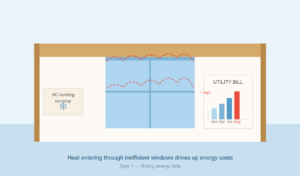
In short: Inefficient windows are one of the leading causes of wasted energy in Gulf Coast homes. If your utility bills keep climbing without a clear reason, your windows may be to blame.
New Orleans summers are brutal. When your AC runs nonstop but your home never quite cools down, the problem might not be your HVAC system at all, it might be your windows.
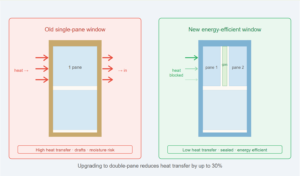
Single-pane windows and older double-pane units that have lost their gas fill allow heat to transfer directly into your living space. That forces your cooling system to work overtime, driving up your monthly costs.
What we typically see during inspections is that homeowners have been living with inefficient windows for years without realizing it. Once they’re replaced with properly sealed, energy-efficient windows, the difference shows up on the very next utility bill.
According to the U.S. Department of Energy, heat gain and loss through windows accounts for 25–30% of residential heating and cooling energy use. That’s a significant portion of your monthly costs and one of the most fixable.
Ask yourself: Do certain rooms stay uncomfortably warm no matter what? Do you feel a subtle warmth radiating from the glass even with the blinds closed? These are signs worth investigating.
Sign 2: You Feel Drafts Around Closed Windows
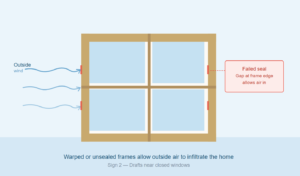
In short: Air leaking around window frames is a clear sign that seals have failed or frames have warped, both of which are common in New Orleans’ high-humidity environment.
Hold your hand near the edge of a closed window on a windy day. If you feel air movement, your window is no longer doing its job.
Drafts happen when frames warp from moisture exposure, when weatherstripping breaks down, or when caulk around the window frame cracks and separates. In a city like New Orleans, where humidity is relentless and temperature swings are common, this type of wear happens faster than it would in drier climates.
Beyond comfort, drafts are a vulnerability. A compromised window seal is less structurally resistant during high winds, a serious concern heading into hurricane season. After working on many window projects across the New Orleans area, we’ve learned that draft issues rarely resolve on their own. The underlying causes tend to worsen over time, especially once storm season puts additional stress on already-weakened frames.
Sign 3: Water Stains, Soft Frames, or Moisture Around Windows
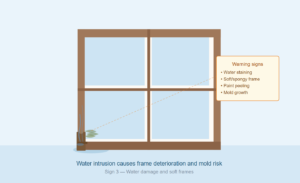
In short: Water damage around windows signals failed seals, improper installation, or frame deterioration. Left unaddressed, it can lead to mold and structural damage , neither of which waits for a convenient time to escalate.
Water stains on the sill or interior wall around a window, soft or spongy areas on the frame, paint peeling from the inside. These are not cosmetic issues. They’re evidence that water has found a way in.
In New Orleans, heavy rains are a fact of life. Even a minor intrusion point can allow significant water entry during a tropical storm or hurricane. Mold can begin forming within 24 to 48 hours of moisture exposure, and once it gets into the wall cavity, remediation becomes expensive and disruptive.
The EPA recommends addressing water intrusion and mold risk promptly, especially in warm, humid climates where spore growth accelerates. If you see any soft spots, discoloration, or musty odors near a window, don’t wait.
A common mistake we encounter is homeowners applying caulk over visible gaps without addressing the underlying cause: a failed frame, improper flashing, or a window that has simply reached the end of its useful life. Surface fixes don’t hold when the next storm rolls through.
Sign 4: Windows That Stick, Jam, or Won’t Latch Properly
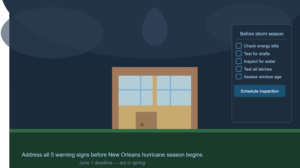
A window that doesn’t fully close or lock isn’t just an annoyance. It’s a vulnerability. Wind pressure during a hurricane can exploit even a slightly misaligned latch, and a window that can’t be properly secured puts your entire home at risk.
Difficulty operating windows is typically caused by frame warping from moisture absorption, hardware corrosion from salt air exposure, or paint buildup that has bonded the sash to the frame over many years. In coastal environments like New Orleans, these issues are especially common.
If you find yourself forcing a window closed or propping it open because the mechanism doesn’t hold, that window needs attention before the next significant weather event.
FEMA’s guidance on hurricane-resistant home features emphasizes properly functioning and secured openings as a core component of storm preparedness. Windows that can’t be properly closed and locked don’t meet that standard.
Sign 5: Your Windows Are Aging Out of Code Compliance
If your home still has the original windows from several decades ago, there’s a good chance they were never designed to meet the performance standards expected today in coastal Louisiana. Building codes have evolved significantly, particularly in how they address wind load resistance and energy efficiency.
Visible signs of age include fogging or condensation trapped between panes (indicating a broken seal), visible corrosion on frames, discoloration of the glass, and an overall appearance of deterioration. But age-related issues aren’t always obvious to the eye.
Louisiana’s state building codes, aligned with ASCE 7 wind load standards, set specific requirements for windows in high-wind zones. If your current windows predate recent code updates, they may not provide adequate protection during a major storm.
What we typically see during inspections of older windows is a combination of issues: compromised seals, deteriorated hardware, and frames that have absorbed years of moisture, that make individual repairs impractical. At a certain point, full window replacement is simply the more reliable and cost-effective path.
When to Call a Window Professional: Red Flags That Can’t Wait
Placement: Place directly above the “When to Call a Professional” section, after Sign 5 content.
Some home maintenance tasks are good candidates for a watchful wait. Window issues, especially in New Orleans , generally are not.
You should contact a window installation professional promptly if you observe any of the following:
- Water intrusion or soft, spongy material around the frame (potential mold risk)
- Windows that cannot be fully closed or securely latched
- Visible frame separation, large gaps, or cracks near the window opening
- Fogging or condensation permanently trapped between panes
- Any combination of the five signs listed above, especially as storm season approaches
Attempting to seal or repair a structurally compromised window without professional assessment can mask the problem without resolving it and leave you exposed during the next significant weather event.
A qualified New Orleans window replacement contractor will assess the full scope of the issue, explain your options clearly, and ensure that any new installation meets local code requirements for wind resistance and energy performance.
Why New Orleans Windows Wear Out Faster Than Most
Placement: Place at the start of the “Why New Orleans Windows Wear Out Faster” section, or just before the Conclusion.
New Orleans presents a combination of environmental conditions that accelerate window deterioration faster than in most U.S. cities. High year-round humidity, salt air exposure in coastal neighborhoods, extreme summer heat, and the annual threat of tropical weather all take a toll.
Homes in the city’s historic neighborhoods often have architectural details that require careful consideration during window replacement, ensuring that new installations respect the character of the structure while delivering modern performance.
The timing also matters. Window installation in New Orleans should ideally be completed before the June 1 start of hurricane season. Scheduling early in the spring allows time for proper permitting, material procurement, and installation without the pressure of an approaching storm.
The National Hurricane Center’s seasonal outlook provides updated storm activity forecasts each year. Reviewing the forecast early can help you prioritize window upgrades before conditions become urgent.
Don’t Let the Next Storm Find the Weak Points First
Your windows do more than frame the view. They protect your home, regulate your comfort, and play a direct role in your safety when severe weather arrives. If you’re seeing drafts, water damage, rising energy bills, operational problems, or signs of age, those aren’t minor inconveniences. They’re your home asking for attention before the next storm season begins.
The good news is that addressing window issues early, before they compound, is almost always easier and less disruptive than waiting for a failure. A professional assessment will give you a clear picture of what’s actually happening and what your options are, with no obligation to proceed until you’re ready.
Schedule Your New Orleans Window Inspection Today
New Orleans Window Replacement serves homeowners throughout New Orleans, LA. If you’ve noticed any of the warning signs described above, contact us today to get started.
Call us at (504) 641-8795 to schedule a window inspection. We’ll assess your current windows and walk you through your options before any work begins. No pressure, no surprises.
Don’t wait until the next storm finds the weak points first.
Frequently Asked Questions About Window Replacement in New Orleans
How do I know if my windows need to be replaced or just repaired?
If the issue is limited to a single failed hardware component or minor weatherstripping wear, repair may be sufficient. However, if there is frame damage, water intrusion, a broken seal between panes, or operational problems tied to warping, replacement is typically the more durable and cost-effective solution. A professional inspection will identify which path makes sense for your specific situation.
How long does window replacement take in New Orleans?
Most standard window replacements for a single unit can be completed in under a day. Full-home projects or homes with custom or non-standard window sizes may take longer. Your installer will provide a project timeline during the assessment phase.
Do I need a permit for window replacement in New Orleans?
Permitting requirements in New Orleans depend on the scope of the project, whether your home is in a historic district, and whether structural work is involved. A licensed local contractor will handle the permitting process as part of the installation.
What type of windows are best for hurricane protection in New Orleans?
Windows rated for high-wind zones and tested to meet impact-resistance standards provide the strongest protection in coastal Louisiana. Your contractor can recommend options that meet Louisiana’s current building code requirements for your specific location and home type.
What is the best time of year to replace windows in New Orleans?
Late winter through early spring, January through April , is generally ideal. This window allows time for permitting, scheduling, and installation before hurricane season begins in June. Avoiding peak summer also means more comfortable working conditions and potentially shorter lead times.
Will new windows really lower my energy bills in New Orleans?
Yes, in most cases. Replacing single-pane or older double-pane windows with properly sealed, energy-efficient replacement windows reduces heat transfer through the glass and around the frame. In a climate as hot and humid as New Orleans, that reduction can make a meaningful difference on monthly utility costs.